Most people think deleting files means they’re gone. They hit delete, empty the trash, and feel safe. But your data isn’t gone - it’s just waiting to be found. Hackers, data brokers, even your old phone repair shop can pull back what you thought was erased. If you care about privacy, deleting files isn’t enough. You need to destroy them. And it’s not as hard as you think.
Some people look for quick fixes - like searching for escort massage dubai to distract themselves from real problems. But digital privacy isn’t about distractions. It’s about control. And control starts with knowing how data sticks around long after you think it’s gone.
Why Your Deleted Files Are Still Alive
When you delete a file on your phone or computer, the operating system doesn’t actually remove it. It just marks the space as available. Think of it like tearing a page out of a notebook but leaving the paper in the binder. The ink is still there. Someone with the right tools can scan the pages and rebuild what you thought was gone.
This happens on every device: iPhones, Android phones, Windows laptops, Macs. Even cloud backups can keep copies of photos, messages, and documents you deleted locally. And if you ever synced that data to Google, iCloud, or Dropbox, those copies live on until you manually delete them there too.
What You Need to Delete - And Where
Privacy isn’t just about photos or texts. It’s everything that identifies you:
- Location history from Google Maps or Apple Maps
- Search history in Chrome, Safari, or Edge
- App usage data from Facebook, Instagram, or TikTok
- Call logs and SMS messages
- Downloaded files, cached images, temporary folders
- Browser cookies and autofill data
Each of these can be used to build a profile of you - where you go, who you talk to, what you care about. And companies sell this data. Not just advertisers - insurance companies, landlords, even potential employers can access it if they know where to look.
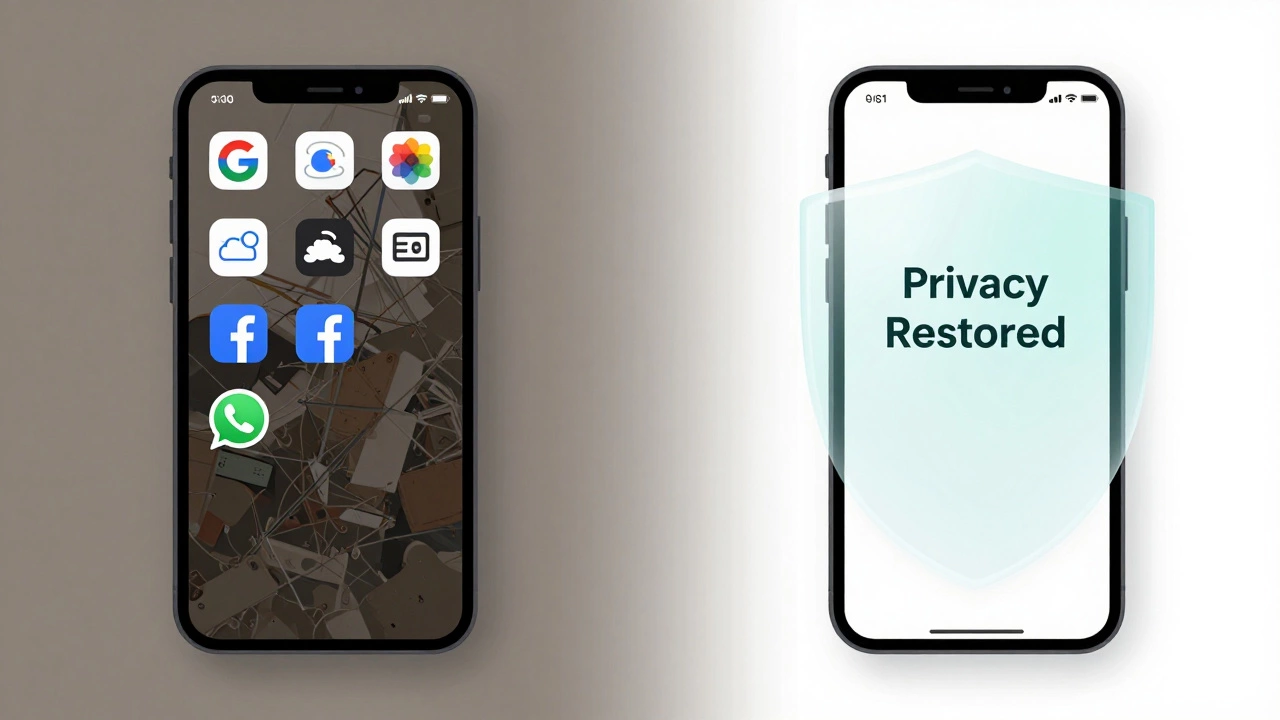
How to Delete Data on iPhone
On iPhone, start with Settings > Privacy & Security > Analytics & Improvements. Turn off all analytics. Then go to Settings > Safari > Clear History and Website Data. Do this even if you think you’ve already done it - many people miss this step.
Next, go to Settings > Photos. If you use iCloud Photos, go to Recently Deleted and tap “Delete All.” Repeat this for Notes, Voice Memos, and Messages. For Messages, go into individual chats and delete them one by one - bulk delete doesn’t always clear the server copy.
Finally, reset your advertising identifier. Go to Settings > Privacy & Security > Apple Advertising and tap “Reset Advertising Identifier.” This stops apps from tracking your behavior across other apps.
How to Delete Data on Android
Android is messier, but you can clean it up. Open Settings > Google > Data & Personalization. Scroll down and turn off Web & App Activity. Then go to Location History and turn that off too.
Now go to Settings > Apps > See all apps. Tap each app you’ve used - especially social media, browsers, and games. Tap Storage > Clear Cache and Clear Data. Don’t skip this. Many apps store your login tokens and behavioral data even after you log out.
Use the built-in “Factory Data Reset” option under Settings > System > Reset. This wipes everything, including internal storage. But before you do it, back up only what you need - and don’t restore from old backups later. They bring back the old data.
How to Delete Data on Windows and Mac
On Windows, open File Explorer and delete everything from Downloads, Temp, and AppData folders. Press Win + R, type %temp%, and delete all files. Then go to Settings > Accounts > Sign-in options and remove saved passwords.
Use Cipher.exe - a built-in tool - to overwrite free space. Open Command Prompt as admin and type: cipher /w:C. This writes over empty space with random data so deleted files can’t be recovered.
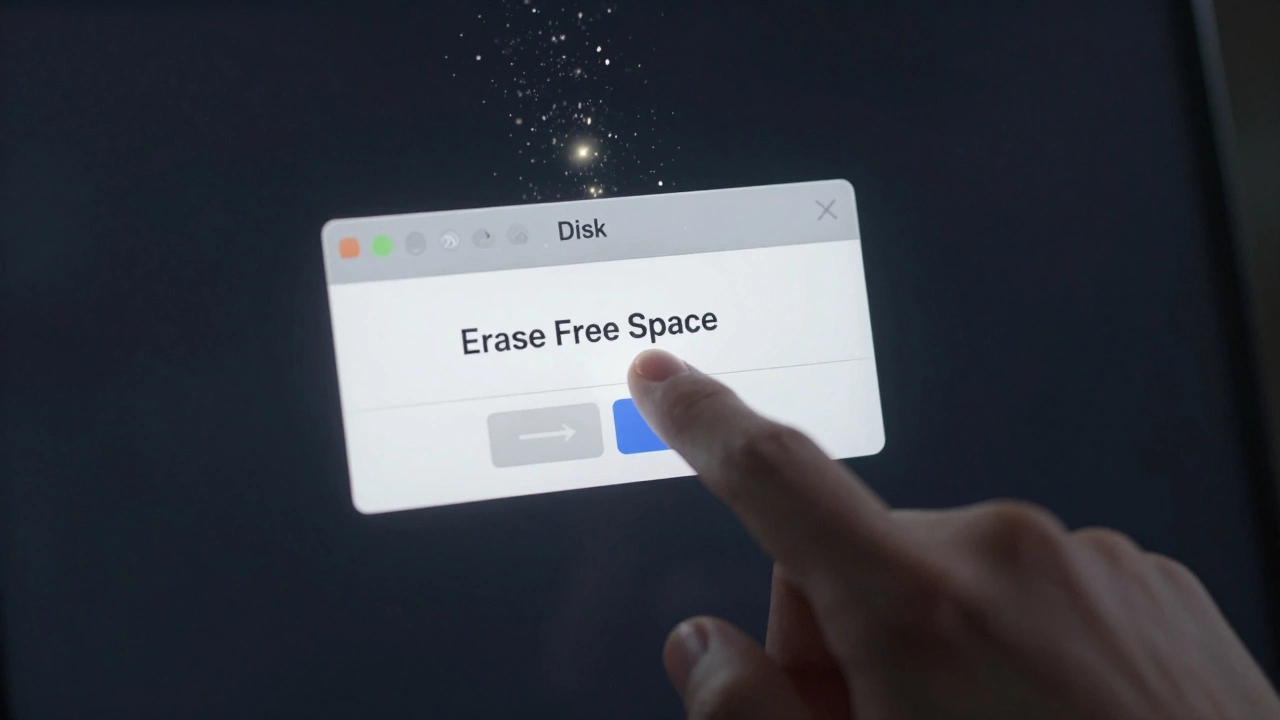
On Mac, open Disk Utility > Select your drive > Erase Free Space. Choose “Single Pass” - it’s fast and enough for most people. Then go to System Settings > Privacy & Security > Analytics and turn off sharing. Clear Safari history and website data. Also check Library > Caches and delete everything inside.
What About Cloud Storage?
Deleting something from your phone doesn’t delete it from the cloud. You have to do it manually on each platform:
- Google: Go to myaccount.google.com > Data & Privacy > Delete your activity > Choose “All time” and delete search history, location history, YouTube history.
- iCloud: On your iPhone, go to Settings > [Your Name] > iCloud > Manage Storage > Show All Apps. Turn off iCloud for apps you don’t trust. Then go to iCloud.com and delete photos, documents, and backups.
- Dropbox: Log in, go to Settings > Account > Delete Account. You’ll get a 30-day grace period to recover - then it’s gone forever.
Don’t forget third-party cloud apps like WhatsApp, Telegram, or Signal. They often auto-backup chats. Turn off backups in app settings.

Physical Devices: Phones, Hard Drives, SSDs
If you’re selling or tossing an old phone or laptop, don’t just reset it. Use a data-wiping tool.
For SSDs (most modern devices), use a tool like DBAN (Darik’s Boot and Nuke) or the built-in secure erase in macOS or Windows. SSDs don’t respond to regular file deletion the same way as old hard drives. A factory reset leaves data recoverable.
For phones, use the factory reset + encryption method. Enable full-disk encryption in settings before resetting. This scrambles the data so even if someone pulls the chip, they can’t read it.
What You Should Never Do
Don’t trust apps that claim to “clean your phone.” Most are scams. They just delete cache files and call it a “privacy boost.”
Don’t assume your employer or school can’t track you if you delete your browser history. If you’re on their network, they see everything you do in real time.
And don’t think deleting one app means you’re safe. Many apps share data with partners. If you used Facebook Login for another app, Facebook still has your info - even if you deleted the app.
Real Privacy Takes Work
Privacy isn’t a setting you flip once. It’s a habit. Check your privacy settings every three months. Delete old accounts you haven’t used in a year. Use encrypted messaging apps like Signal. Avoid logging into services with Google or Facebook.
And if you’re serious about it, consider using a burner phone for sensitive tasks. Or a Linux laptop instead of Windows or macOS. These systems give you more control over what gets stored and where.
Some people think privacy is for paranoids. But it’s not. It’s for people who want to keep their lives their own. You don’t owe your data to companies. You don’t owe your location to advertisers. You don’t owe your search history to anyone.
Deleting your data isn’t about being secretive. It’s about being free.
And if you’re ever tempted to look up dubai massage happy ending just to escape the stress of managing your digital footprint - remember, real relief comes from control, not distraction.
Same goes for outcall massage dubai. It’s a temporary fix. Your digital life needs real cleanup - not a detour.
And if you’re wondering about escort massage dubai as a way to avoid dealing with your data - stop. The only thing you’ll be escaping is responsibility. And that doesn’t work online.